A racing bicycle begins degrading the moment the tires touch the pavement. Every pedal stroke creates friction. Every corner subjects the frame to lateral stress. Many amateurs ignore this slow degradation until a part breaks. Fast riders take a completely different approach. They treat bike maintenance as a measurable physics problem. Stopping mechanical drag keeps the bike fast from the first spring race to the final fall criterium. You must track wear rates and replace parts before they steal your watts.
Tracking Component Lifespans With Data
You cannot guess when a part needs replacing. Visual inspections fail to show microscopic metal fatigue. You need strict mileage tracking. Connecting your bike to a GPS head unit allows you to log the exact distance on every single component. A chain might look fine at 2,000 miles. The data proves it is already stretched, actively grinding away the teeth on your expensive cassette. Logging your mileage gives you the exact timeline for proactive replacements. This stops a $40 chain from causing $300 in drivetrain damage.
Drivetrain Thermodynamics And Friction
The drivetrain is the heart of your machine. It transfers your physical energy to the rear wheel. Dirt and old lubricant turn this system into a heat generator. Grit acts like sandpaper inside the chain rollers. This friction literally burns your watts. You must adopt a strict cleaning schedule. Stripping the chain with a strong degreaser and applying a fresh coat of wax stops this parasitic drag. Keeping the chain pristine is exactly why drivetrain efficiency matters when you are hunting for podium finishes late in the summer.
Suspension And Hydraulic Fluid Degradation
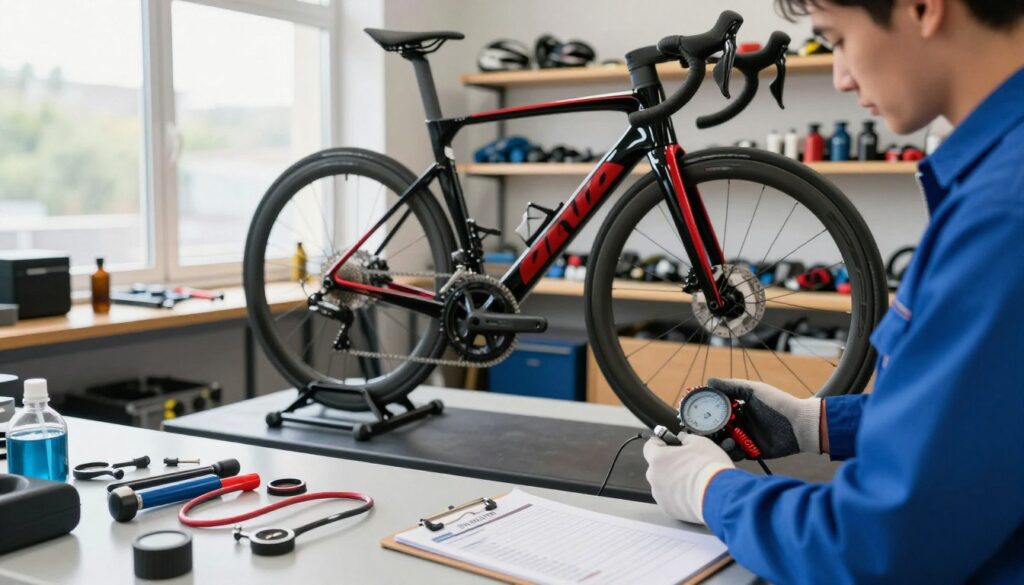
Mountain bikes and modern road bikes rely heavily on hydraulic fluids. Brake fluid and suspension oil break down over time. Heat cycling from heavy braking destroys the chemical structure of mineral oil. Dirt slips past rubber wiper seals and contaminates fork oil. This contamination ruins your damping circuits. Your suspension stops absorbing bumps and starts bouncing, ruining your traction. Pushing old fluid out and bleeding the systems restores the exact factory feel. Tracking regular suspension service intervals keeps the rubber tires glued to the dirt, maximizing your control at high speeds.
Measuring Tire Rubber Fatigue
Racing tires use incredibly soft rubber compounds to generate grip. This soft rubber hardens and wears flat after a few hundred miles. A squared-off tire ruins the handling geometry. The bike will resist leaning into corners and feel nervous at high speeds. Puncture protection drops drastically as the center tread thins out. Checking the tread wear indicators every week allows you to swap tires before a blowout ends your race.
The Seasonal Maintenance Matrix
Managing a high-performance machine requires a rigid schedule. We can organize these wear rates into a simple matrix. This data table outlines the exact replacement targets required to keep a bike running at peak efficiency.
| Component | Inspection Interval | Replacement Target | Performance Impact |
| Chain | Every 100 miles | 1,500 to 2,000 miles | Stops friction loss and cassette wear. |
| Tires | Weekly | When wear dots vanish | Maintains cornering grip and puncture resistance. |
| Brake Pads | Monthly | 1.5mm pad thickness | Guarantees stopping force and rotor safety. |
| Hydraulic Fluid | Monthly check | Every 6 to 12 months | Prevents brake fade and suspension bounce. |
Winning races late in the calendar demands a perfect machine. You must treat wear and tear as an engineering variable you can control. Replacing fatigued parts on a strict schedule guarantees your bicycle transfers every single watt directly to the road.