Racing a bicycle at high speeds requires massive amounts of energy. The human body operates exactly like a high-performance engine. If you fail to put the right fuel in the tank, the engine stops producing power. Many riders spend thousands on lightweight parts but completely ignore their metabolic engine. Proper bike racing nutrition requires calculating exactly how many carbohydrates your body can process per hour. By analyzing your fuel intake, you prevent catastrophic energy crashes and maintain maximum wattage output through the finish line.
Calculating Carbohydrate Oxidation Rates
The primary fuel source for high-intensity pedaling is muscle glycogen. Your body stores a limited amount of this fuel. Once you deplete these stores, your power output drops instantly. To prevent this sudden loss of speed, you must consume carbohydrates during the ride. The human digestive system can only process a specific amount of sugar at one time. Most riders can oxidize between 60 and 90 grams of carbohydrates per hour. Pushing past this limit causes gastric distress, forcing the blood away from your legs and into your stomach. Tracking your carbohydrate intake prevents this biological failure.
Strategic Hydration And Sodium Replacement
Fluid loss directly destroys your pedaling efficiency. As you sweat, your total blood volume drops. Thicker blood forces your heart to beat faster simply to deliver the same amount of oxygen to your muscles. This cardiovascular strain ruins your lap times. You must replace the fluids and sodium lost through sweat. A starting point is drinking 500 to 750 milliliters of fluid per hour. You must mix this water with electrolytes, primarily sodium. Sodium pulls the water across the intestinal wall and into your bloodstream. Ignoring hydration turns your cardiovascular system into a massive bottleneck. Managing your biological systems requires the exact same strict attention as a pre-ride bike inspection.
Timing The Fuel Delivery System
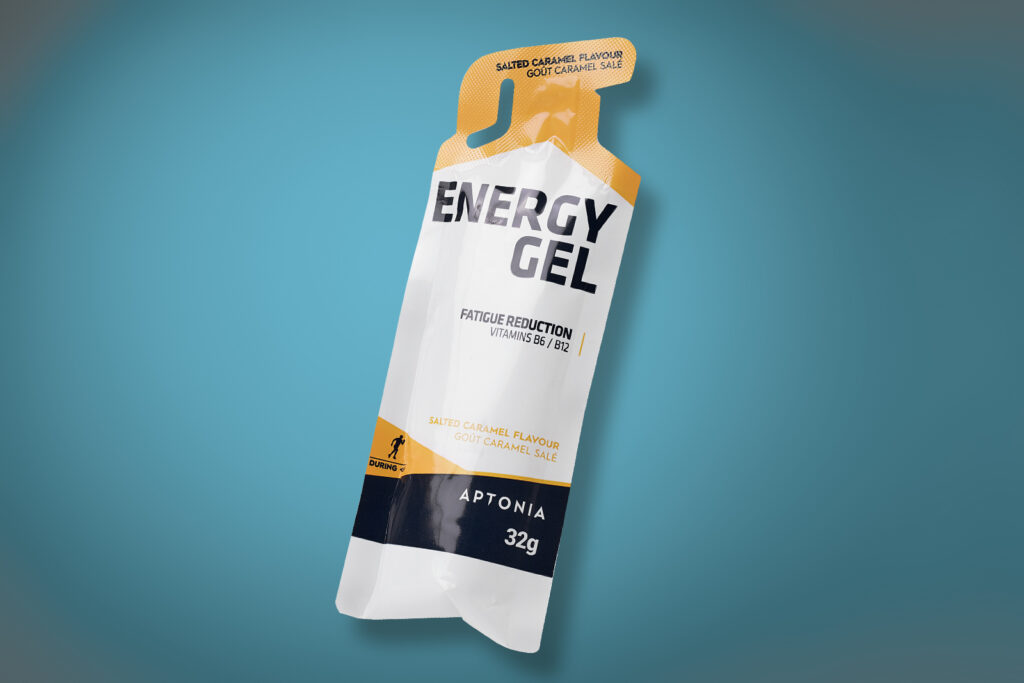
High-speed riding demands a constant, uninterrupted fuel supply. Waiting until you feel thirsty guarantees a loss of performance. Hunger indicates a biological deficit that takes too long to correct at race pace. You need a strict schedule. Taking a gel or chewing a carbohydrate block every 20 minutes keeps a steady stream of glucose entering your blood. You must test this exact fueling timeline during hard practice sessions. Sports nutrition research shows that training the gut allows you to absorb fuel faster over time. This biological adaptation directly supports the high-speed demands of modern racing.
Engineering The Pre-Race Meal
The final meal before a race sets the foundation for your physical performance. Eating a heavy, fat-laden breakfast slows down your digestion. Fat and protein require massive amounts of energy to break down, stealing blood flow away from your legs. Three hours before the starting gun, consume a meal high in simple carbohydrates. Oatmeal, white rice, or toast provide the exact molecular fuel your muscles need. This timing allows your stomach to empty completely before you clip into the pedals. Treating your rider lifestyle with a highly analytical approach turns food into a measurable advantage.
Analyzing Nutritional Data Benchmarks
To execute this strategy perfectly, we can break down the fueling process into strict numerical targets. This data table outlines the exact metabolic requirements for high-intensity competition.
| Fueling Phase | Timing Target | Carbohydrate Goal | Hydration Metric |
| Pre-Race | 3 hours before start | 100-150 grams | 500 ml with sodium |
| Early Race | Minutes 0 to 60 | 60 grams per hour | 500-750 ml per hour |
| Late Race | Minutes 60 to Finish | 90 grams per hour | 500-750 ml per hour |
| Post-Race | Within 30 minutes | 1.2g/kg body weight | 150% of fluid weight lost |
Your body is the ultimate performance variable. By approaching your nutrition with the same data-driven mindset you apply to your mechanical equipment, you stop guessing and start engineering better lap times.