Weather completely changes the physics of bicycle racing. A dry road offers maximum friction. Rain turns that same asphalt into a slick surface with entirely different grip limits. You cannot run a dry setup in the rain and expect to hold your lap times. Riding fast in a downpour requires changing your equipment settings to match the environment. Adjusting your bicycle for wet conditions forces you to alter tire pressure, drivetrain lubrication, and your braking zones.
Tire Pressure And Contact Patch Dynamics
Tire pressure dictates your speed and grip. On dry pavement, you want a harder tire. Higher pressure lowers rolling resistance, letting you hold speed with less physical effort. Rain changes the math completely. Water sits in the tiny cracks of the road, reducing the friction available to your rubber.
To find grip, you must drop your tire pressure by 10 to 15 PSI. This drops the center of the tire, flattening it out and putting more rubber on the road. A larger contact patch grabs the asphalt and stops the bike from sliding out during hard corners. Utilizing a professional tool for calculating exact tire pressures based on the weather gives you a massive mechanical advantage over riders who just guess.
Lubrication And Drivetrain Thermodynamics
Your chain transfers your leg power to the rear wheel. In dry conditions, a hot-waxed chain offers the lowest possible friction. Wax repels dust and keeps the drivetrain spinning freely. Rain quickly washes away dry wax. Water mixed with road grit creates a grinding paste that eats bare metal.
For wet races, you must apply a heavy, oil-based wet lubricant. Wet lube attracts dirt, but it sticks to the metal and blocks water. This heavy oil stops the chain from rusting mid-race and prevents snapped links. Keeping the chain running smooth under heavy strain ties directly into why drivetrain efficiency matters when you need reliable power transfer in bad weather.
Braking Tolerances And Stopping Distance
Stopping a bike relies on friction between the brake pads and the spinning rotor. Dry conditions allow you to brake late and hard right before the apex of a turn. Wet conditions introduce a dangerous mechanical delay.
Water coats the metal brake rotors. When you pull the brake lever, the pads must first scrape the water off the metal before they can grip. You must apply the brakes a full second earlier in the rain. Lightly dragging the brakes clears the water so the system is ready when you need full stopping power. You also need to inspect your brake pads after a wet race. The gritty road water grinds brake pads down incredibly fast.
Modulating Center Of Gravity
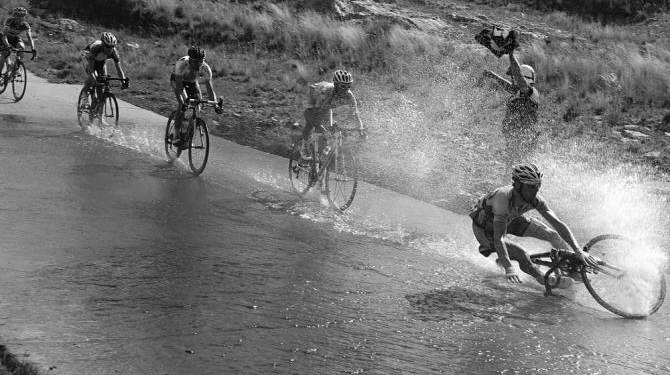
The way you sit on the bike also dictates your available traction. In dry weather, you lean the bike hard and push your weight down to corner fast. Extreme lean angles in the wet guarantee a crash. You must keep the bike more upright through the corners. Shift your weight back slightly to keep the rear tire planted. You steer more with your handlebars and less by leaning your body weight.
Race Day Setup Matrix
We can organize these setup changes into a clear system. This data table outlines the exact adjustments required to keep your bike fast and safe in any weather.