Choosing a mountain bike is not about picking the brightest color on the showroom floor. It is about matching a machine’s geometry and suspension mechanics to the specific physics of the trails you intend to ride. A modern mountain bike is a highly complex engineering solution designed to manage gravity, traction, and human power over unpredictable terrain.
Many beginners make the mistake of buying a bike based purely on brand recognition or a flashy derailleur. This approach ignores the core systems that actually determine how the bike behaves under stress. To make the right choice, you must look past the marketing hype and analyze the structural variables that will keep your tires planted and your momentum high.
Geometry Dictates Handling Dynamics
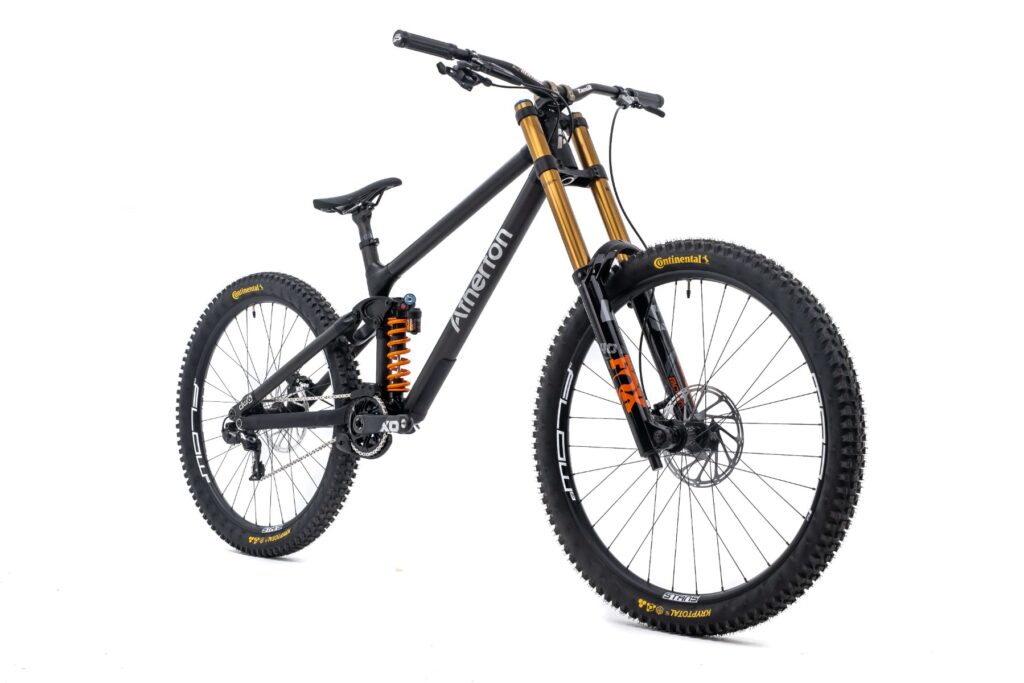
The frame’s geometry is the single most critical factor in how a bike rides. It determines your center of gravity and how the machine responds to rapid steering inputs. When evaluating a frame, the most important metric is the head tube angle. This is the angle of the front fork relative to the ground.
If you ride steep, fast descents, you need a bike with a “slack” head tube angle (typically 65 degrees or lower). This pushes the front wheel further out, creating massive stability at high speeds and preventing you from pitching over the handlebars when dropping off large rocks. Conversely, if your local trails feature tight, twisting singletrack and steep, grinding climbs, a steeper head tube angle is required to keep the steering sharp and responsive at low speeds.
Suspension Kinematics And Traction Control
Mountain bike suspension is not simply a shock absorber meant to provide a comfortable ride. It is a critical traction control system designed to keep the rubber in constant contact with the dirt. Understanding how suspension affects speed and control is vital when looking at different frame designs. You must first choose between a hardtail, which has no rear shock and is highly efficient for smooth pedaling, and a full-suspension bike, which carries far more momentum through rough rock gardens.
When looking at full-suspension models, you must analyze the suspension travel, measured in millimeters. Short-travel bikes (100mm to 120mm) prioritize pedaling efficiency and climbing speed, making them perfect for cross-country racing. Long-travel enduro machines (150mm to 170mm) sacrifice some climbing efficiency to absorb massive high-speed impacts and drop-offs. Choosing the right travel ensures your machine has enough stroke to absorb the specific impacts you expect to hit without wasting your pedaling energy.
Wheel Diameter And Rollover Momentum
The physics of rolling resistance dictate that larger wheels carry momentum better over rough terrain. Today, riders generally choose between 29-inch and 27.5-inch wheels. The 29-inch wheel has a larger diameter, which creates a lower angle of attack when striking roots or square-edged rocks. This allows the bike to plow through technical sections with a minimal loss of forward speed.
However, a smaller wheel has less rotational mass. This makes a 27.5-inch wheel much easier to accelerate out of tight corners and much easier to throw around in the air. Modern mountain bike wheel tests show that while 29ers are mathematically faster in a straight line and over rough chatter, smaller wheels can be highly beneficial for riders who prioritize agility and jumping over pure rollover speed.
Analyzing The Core Components
Beyond the frame geometry and suspension kinematics, the individual components bolted to the bike dictate how efficiently you can conquer the trail. When looking at a modern mountain bike, two specific innovations are absolutely mandatory for off-road reliability: a 1x (single-ring) drivetrain and a hydraulically actuated dropper seatpost.
A 1x drivetrain eliminates the front derailleur entirely. Instead, it relies on a massive rear cassette (typically 12 speeds with a massive 50-tooth or 52-tooth climbing gear) to provide the necessary mechanical advantage. This engineering shift reduces the bike’s overall weight, almost completely eliminates dropped chains over rough terrain, and simplifies your cognitive load so you can focus on the trail ahead.
Equally important is the dropper post, which allows you to instantly lower your saddle height via a handlebar lever. From a physics perspective, lowering the saddle completely changes your center of gravity on steep descents. It allows you to move your body weight low and back over the rear tire, maximizing your braking traction and preventing you from pivoting over the front wheel.
To simplify the selection process, we can organize all these key structural variables into a logical framework. This data table breaks down the primary features and mechanical components to look for based on your specific trail objectives and riding style.