Imagine your perfect race pace like Nolan’s Oppenheimer script. It starts strong but needs precision to succeed. Eliud Kipchoge’s world-record marathon is a perfect example of third-act perfection. Singapore’s Soh Rui Yong setting national records is like a surprising plot twist without special effects.
Why do 73% of amateur runners run out of energy by mile 10? They race like they’re doing TikTok dances, without any plan. Pro athletes, on the other hand, plan their races like chess games. They mix pacing and fueling strategies into smart energy plans.
This isn’t just about avoiding hitting a wall. It’s about mastering your body’s energy use. We’ll explore how champions start strong and then keep going, like a documentary on mitochondria by Michael Bay.
Stay with us. By the end, you’ll see why finding the right pace is more important than carb-loading, which is as old as flip phones at Coachella.
What is Pacing (and Why It Matters)
Pacing in endurance sports is like scrolling through Netflix. We all say we want slow burns, but most click on action movies. This is why many runners slow down by mile 8.
| Split Type | Definition | Age-Grouper Success | Pro Usage |
|---|---|---|---|
| Positive Split | Faster start, slower finish | 22% avoid blowup | Rarely intentional |
| Even Split | Steady effort throughout | 41% maintain pace | Common in time trials |
| Negative Split | Conservative start, strong finish | 9% execute properly | 87% championship wins |
Negative splits are key for podium finishes. But many runners start fast and then slow down. It’s like they’re racing to the couch.
Why does this happen? Three main reasons:
- Thinking adrenaline means you’re fit (“I feel amazing!” → spoiler: you won’t)
- Trying to finish like pros without their prep
- Using the crowd as pacers (don’t trust the banana guy)
Pro tip: Start slow, like you’re going for brunch. The best race pacing leaves you enough energy to pass others. Do it with confidence.
Next, we’ll explore how heart rate monitors and power meters are like Tinder for endurance sports. Swipe right for better results.
Heart Rate and Power Pacing
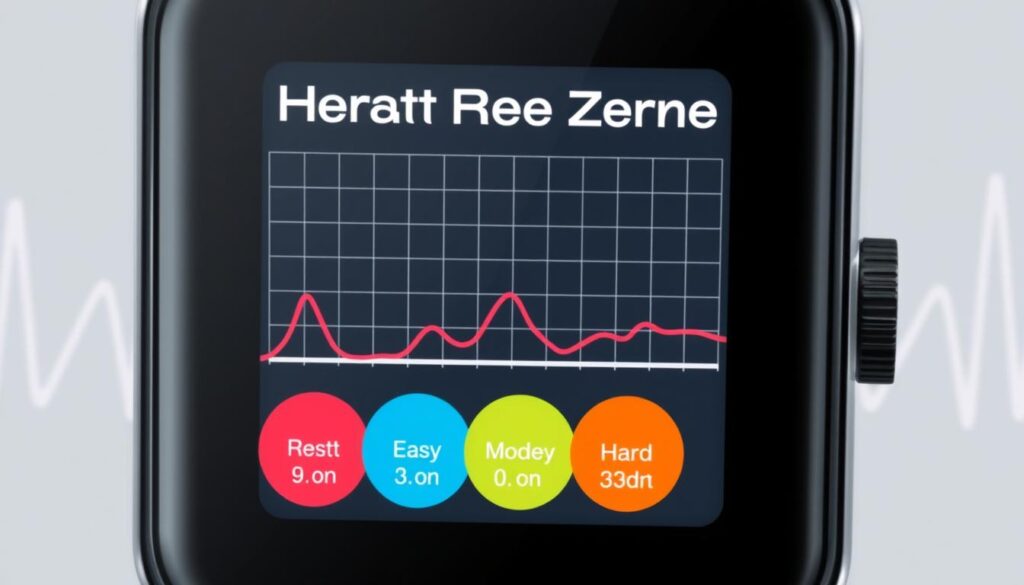
Your heart rate monitor is more than a fancy wristwatch. It’s like the FBI interrogation lamp of fitness tracking. It shines light on your body’s secrets. We’ll use three Cold War-era principles to understand these secrets.
1. Trust but verify: That “comfortable” Zone 2 effort? Your heart is sending diplomatic cables about lactate buildup. 2. Know your assets: Threshold heart rate is your biological Iron Curtain. Cross it recklessly, and your race plan collapses fast. 3. Burn the cipher: GPS watch data reveals patterns even Jason Bourne couldn’t hide.
Modern sports tech turns every runner into a human polygraph. Here are some real-world GPS watch insights from collegiate track programs:
| Metric | Recreational Runner | Elite Runner |
|---|---|---|
| Avg HR Variability | 45 ms | 82 ms |
| Zone 4 Duration | 12% of workout | 27% of workout |
| Recovery BPM Drop | 15 beats/min | 32 beats/min |
| Power Output Stability | ±8% fluctuation | ±3% fluctuation |
See that 27% Zone 4 duration for elites? That’s the sweet spot where heart rate pacing becomes art. It’s about maintaining red-line effort without cardiac mutiny. Coach Richard Gleave’s athletes show it’s about choosing when to endure, not just how to endure.
Here’s how to analyze your training log like a Kremlinologist:
- Spot downward HR trends at fixed paces (your fitness is improving)
- Flag upward HR spikes during recovery runs (you’re overtrained)
- Compare power meter data to heart rate curves (find your efficient “gear”)
Remember: Heart rate zones aren’t prison cells – they’re diplomatic immunity badges. Learn when to revoke yours. That threshold effort feeling “manageable”? Your BPM graph will show the truth in jagged peaks that’d make Everest jealous.
Race Day Pacing Tools
Your pacing strategy now has more tech support than Tony Stark’s lab. Let’s cut through the gadget fog with three essentials that won’t require a PhD to operate.
The Metabolic Oracle: INSCYD’s carb combustion graphs work like a nutritional crystal ball. This isn’t your gym’s body fat scan – it maps how your engine burns fuel at different intensities. I watched a triathlete discover they could sustain marathon tempo on 30% fewer carbs than assumed. Game changer for bonk prevention.
Your pre-race checklist needs these four tools:
- Whoop 4.0: Tracks recovery like a paranoid life coach
- Garmin Race Screen: Shows current pace vs. target every 0.25 miles
- Maurten hydrogel: Lets you sip carbs without gut bombs
- Old-school pace band: Tech’s Achilles heel? Battery life
| Tool Type | Pro Move | Rookie Mistake |
|---|---|---|
| Wearables | Customize data screens pre-race | Checking heart rate mid-hill climb |
| Nutrition Tech | Practice fueling at race-pace efforts | New gel brand on race morning |
| Pacing Apps | Sync with course elevation | Trusting auto-adjust on trails |
Last season taught me a brutal truth: No amount of AI can fix adrenaline poisoning. That runner who went out 15s/mile too fast wearing $2000 worth of gear? They blew up at mile 18. Use tech to inform decisions – not replace the meat computer between your ears.
The Mental Side of Pacing
Your brain tricks you, making mile 18 feel like mile 1. It’s like a carnival barker, telling you there’s less energy than you think. Studies show new runners’ dopamine drops faster than pros during races. This means your mind can lie faster than a politician.
Richard Gleave, an ultrarunner, hit a wall at 50K. He ran strong for 20 miles but then crashed. He said he didn’t conserve energy well. This shows pacing is a mental battle, where you’re fighting yourself.
Here are three ways to beat your inner critic:
- The Hemingway Horizon: See your race as mostly hidden effort, only showing the surface
- Dopamine Banking: Give yourself small wins every 15 minutes to keep your brain happy
- Schrödinger’s Fuel: Think gels have both lots and no calories until you really need them
Negative splits are more than just running. They’re mental tricks. Starting slow builds mental strength, like compound interest. Try slowing down when you feel like speeding up. You’ll thank yourself at the end.
The biggest challenge is in your head. Mastering your mind can turn tough moments into wins. Just remember, your brain’s job is to keep you safe, not to chase PRs.
Pacing for Different Race Types
Ever tried using 5K pacing for an ultra-marathon? It’s like trying to light candles with a flamethrower. It might work, but everyone gets hurt. Each race distance needs its own pacing strategy, with its own rhythm and rules.
Let’s explore four race types through a cultural lens:
- 5K (Punk Rock Sprint): It’s three miles of fast starts and controlled chaos. Begin with a speed that shocks your watch, then keep it up. Your plan? Follow the Ramones’ “Blitzkrieg Bop” – 1-2-3-Go!
- Marathon (Classical Symphony): It’s all about precision, like Mozart. Aim for negative splits, with mile 20 as the climax. If you mess up, the wall will catch up to you.
- Trail Ultra (Tarantino Narrative): It’s unpredictable and sometimes bloody. Pace like a story, walking hills and sprinting river crossings. It’s all about the journey.
- Ironman (Prog-Rock Epic): It’s a 140.6-mile journey, like a concept album. Swim like Yes, bike like Rush, and run like Pink Floyd. It’s full of surprises and tempo changes.
| Road Marathon | Trail Ultra | |
|---|---|---|
| Terrain | Pavement precision | Earth’s obstacle course |
| Pacing Style | Metronome discipline | Improvised jazz solo |
| Fuel Strategy | Science lab precision | Gas station buffet |
| Mindset | “I control the pace” | “The trail controls me” |
Urban races need detailed planning, like a spreadsheet. But trail races are different. You must adapt to gravity, weather, and unexpected obstacles.
The key is knowing when to follow the pace or chase it. Your 10K PR won’t help at mile 45 of an ultra. Being adaptable is the secret to success.
DIY Pacing Workouts
Creating your own pacing workouts is like becoming a pro in endurance sports. It’s about turning last year’s race times, Strava data, and caffeine habits into top-notch performance. Let’s explore how to make tempo magic happen, whether alone or with a group.

The Lone Wolf Protocol: For those who prefer running alone. Try the “Groundhog Day Special” – 6x800m repeats at 10K pace with 90s jog recovery. Do it every Tuesday until you can predict each lap within 0.5 seconds. Pro tip: Name your GPS watch “Wilson” for motivational chats.
Group training takes tempo work to new heights. Our favorite coached program uses a “Pyramid of Pain”:
- 5min warmup at “oh this is nice” pace
- 3-2-1-2-3 minute intervals at threshold
- Equal jog recovery between sets
- Finish with 10min of group plank holds (because misery loves company)
Solo vs Squad Science:
| Solo Warriors | Group Gladiators | |
|---|---|---|
| Motivation | Internal monologues | Peer-pressure endorphins |
| Pace Accuracy | ±3 sec/mile | ±0.5 sec/mile (shame is precise) |
| Post-Workout Feels | Quiet satisfaction | Tribal bonding |
The real secret sauce? Mix both solo drills and group battles. Try alternating weekly. That 5:30 AM track crew will push you to PR town, no matter what.
For tech lovers, pair workouts with heart rate alerts and power meter data. Nothing says “commitment” like getting pinged for slacking. Remember, the best tempo plan is one you’ll follow – even with post-run tacos.
When to Push or Hold Back
Mastering race pacing is like being a DJ at a marathon party. You know when to play the beat or fade out. A study shows that dehydrated athletes burn carbs 27% faster. This means your energy stores can quickly run out.
It’s like playing high-stakes poker. Your body’s signs, like a high heart rate and shaky legs, mean it’s time to slow down.
Here’s how to play the odds:
- Push when power curve data shows you’re under your threshold on flats or slight inclines
- Hold when your heart rate graph resembles a crypto market crash—spiking unpredictably
- Hydrate before thirst hits (think of it as preventative maintenance for your internal combustion engine)
That “easy” downhill? It’s bluffing. Gravity’s speed comes with a price—hard work for your muscles. Use power meters like a Wall Street quant analyzing trends. If your 10-second surge burns too much fuel, stop.
| Scenario | Heart Rate Zone | Action |
|---|---|---|
| Competitor passes you | Zone 3 (Aerobic) | Hold pace – let them redline first |
| Final 400m sprint | Zone 5 (Max Effort) | Empty the tank |
| Unexpected headwind | Zone 4 (Threshold) | Draft or ease up 5% |
Remember: Heart rate pacing isn’t about averages—it’s about managing your energy. Your watch’s “optimal zone” alert? That’s like the dealer suggesting you hit on 16. Sometimes you take the card. Sometimes you walk away. The real win is knowing which choice leaves enough energy for the victory lap.
Conclusion
Perfect pacing strategies are like a DJ’s best set, building up slowly and smoothly. The sports medicine data shows that negative splits are more than just numbers. They’re like a story that your finish line photo tells.
Marathon legends like Kipchoge see the race as a three-act story. They start slow, build up, and finish strong. But many runners make it a horror story instead. The key is to trust your training and ignore doubts when you’re tired.
Good pacing is a mix of science and instinct. It’s about listening to your body and the course. Saving energy early helps you recover better after the race.
The Strava era makes us want to show off early for likes. But don’t. Stay steady and let others burn out. Your negative split is like a big statement, showing your skill and control.
Turn off your pace alerts and get ready to start. Your race is a work of art, built step by step. Will it be a grand symphony or a catchy tune? The choice is yours.